★★★★★
A must read for everyone!
What impressed me about Break Through Anesthesia Fog is how effectively it bridges conventional and functional medicine while bringing much-needed attention to an often-overlooked aspect of patient care: brain health around surgery and anesthesia. The discussions on inflammation, nutrition, toxic burden, recovery, and neurologic resilience extend far beyond the surgical setting. A powerful, comprehensive, and long-overdue resource.
M. Richichi
June 12, 2026 Verified Purchase
★★★★★
It's a thought-provoking read
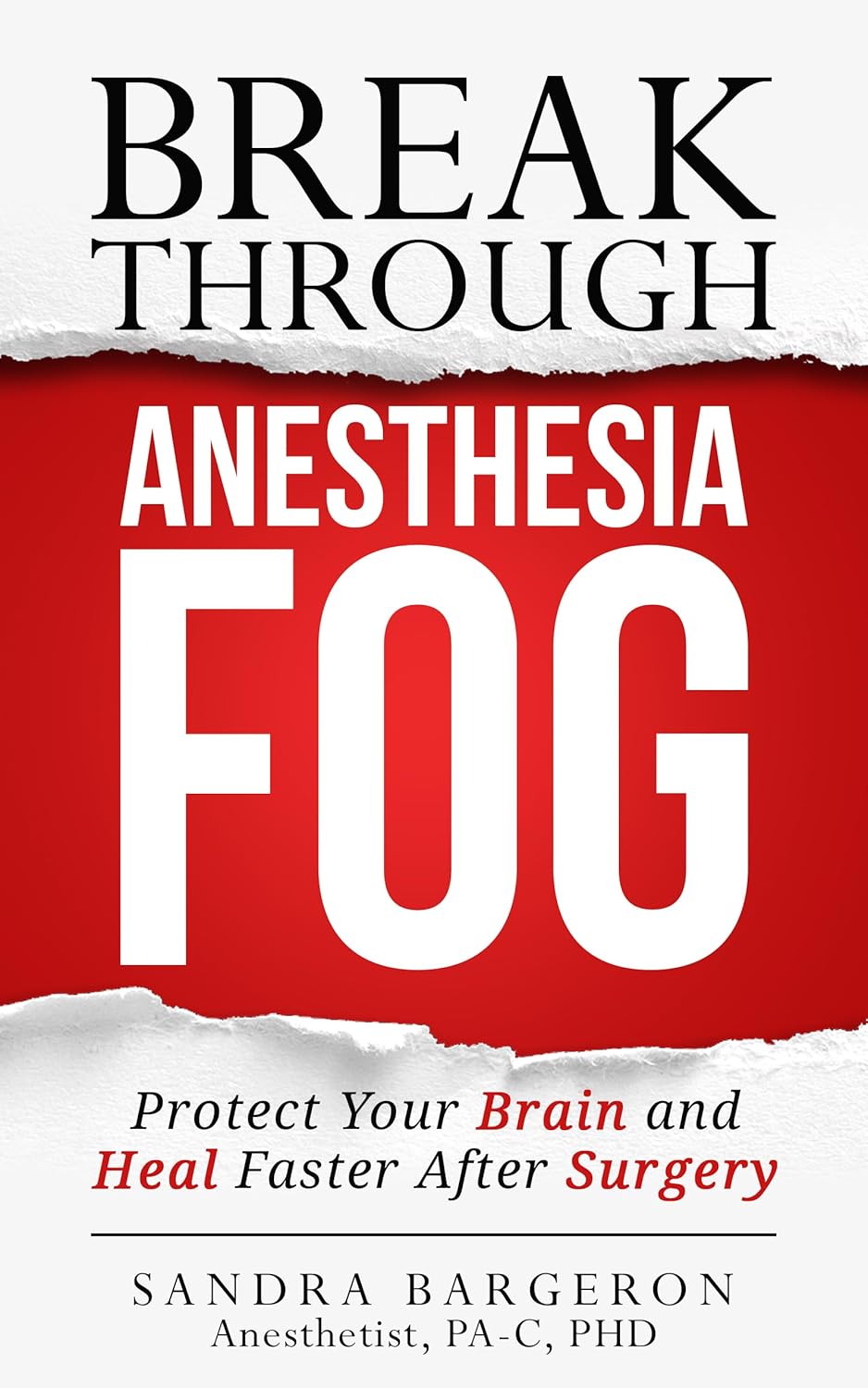
Sandra Bargeron breaks down the recovery process almost like a diagnostic framework, identifying inputs, risk factors, and measurable outcomes. I found the Neurologic Stress & Recovery Index™ especially interesting because it attempts to quantify resilience and recovery rather than relying solely on subjective observations. The HARP™ framework feels practical and methodical. It's a thought-provoking read that encourages a more proactive, data-informed approach to surgical preparation and recovery.
Crom Wells
June 9, 2026 Verified Purchase
★★★★★
Awesome book!! Help protect your brain!
This is an excellent book, easy to read and understand! We all know someone who is facing an upcoming surgery, or even ourselves or our children, and Sandra Bargeron's book is a tremendous help in understanding that preparing our brain and body for surgery will greatly improve the outcome after anesthesia. She also shares a wealth of information on how we can be more proactive and know what questions to ask our doctors!
alexa buda
June 12, 2026
★★★★★
Immediately useful advice!
I've been following this author on TikTok, this book puts it all together in a clear step by step approach. So glad I found it! It's an easy read and gives practical, immediately useful advice. I highly recommend it! It's clear she has an authentic passion to help!
Amazon Customer
June 12, 2026 Verified Purchase
★★★★★
Great book!
Sandy Bergeron's book, "Break Through Anesthesia Fog", is both useful and informative. My mother had extensive back surgery and had a difficult time with post anesthesia and brain fog. What an important subject! Wish I had access to this book before her surgery.
Margaret
June 13, 2026 Verified Purchase
★★★★★
So glad I read it!
This book is about so much more than preparing for anesthesia. It is about how to be healthy and live your best life even in stressful situations. It is broad in its scope but also very practical at the same time. It is written in a way that is easy to read and understand, but also clearly drawn from science and data.
Ashley
June 9, 2026 Verified Purchase